
The Transformation of the Brown Snow
The Zone of InterestThis thread follows the novel’s changing snow imagery as the camp’s violence stains both the landscape and the characters’ understanding of history.
increasing Bearing strength in each event
 decreasing
Bearing strength in each eventdecreasingGrey Snow Arrives
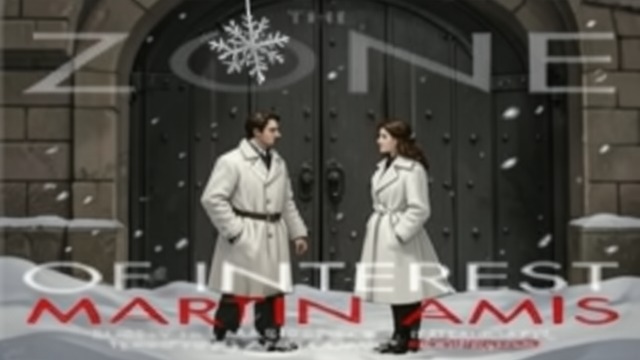
Grey Snow Arrives
Weather takes on the camp’s color
The first snow falls after Thomsen learns that Bohdan is dead and Dov has been transferred. It is grey with ash and seems to match the boy’s eyes.
Landscape carries memory
The snow makes the camp’s violence visible in the surrounding world. Nature does not conceal what has happened; it takes on the residue left by human acts.
The Pyre Colors the Sky

The Pyre Colors the Sky
Smoke reshapes the landscape
The fire and fumes ripple through the air while the pyre’s metal structure glows at night. The spectacle gives the camp an artificial horizon that follows its inhabitants beyond the worksite.
Violence becomes atmosphere
The cremation operation is not contained within a building. Its smoke, smell, and light enter the camp’s ordinary weather and daily experience.
Brown Snow at the Memorial
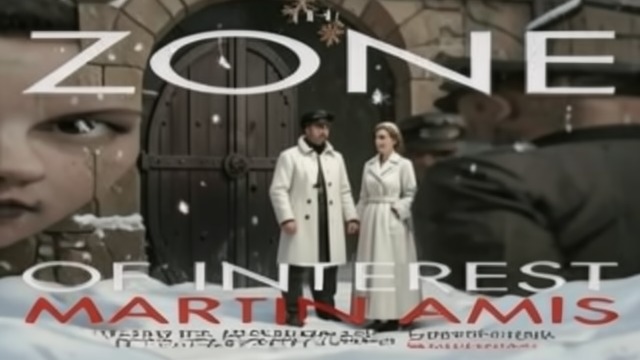
Brown Snow at the Memorial
A patriotic ritual in stained weather
Snow darkened by the camp’s pyre falls on the memorial audience as Doll speaks about sacrifice. The landscape contradicts the speech’s claims of purity and national renewal.
A symbol turns against its owners
The brown snow resembles the material consequences of the camp’s work. It makes the regime’s patriotic ceremony appear physically contaminated by the deaths it hides.
The Stained Landscape Repeats
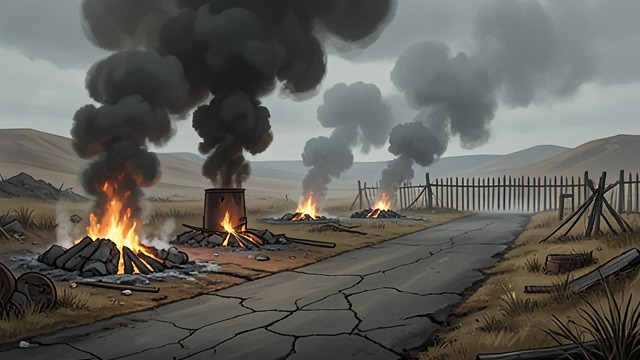
The Stained Landscape Repeats
Scale increases the visible damage
More furnaces and cremation operations spread smoke and odor across the camp. The local environment carries the remains of people whom the authorities are trying to erase.
The camp cannot control its evidence
Doll worries about complaints and damaged infrastructure, but the odor and contaminated landscape persist. The physical world resists the official story of orderly resettlement.
The Grey Swan Afterward

The Grey Swan Afterward
A remembered color returns
Hannah watches a grey, dirty swan in the pond and says she hates it. Thomsen compares its color to snow in Poland, linking the postwar scene to the camp’s stained landscape.
Memory crosses into peace
The town is peaceful, yet the image carries the past into their conversation. The grey color makes clear that the violence remains part of how they see the world.
Autumn 1942, after Dov’s account of Bohdan
Autumn 1942, during the Spring Meadow cremation project
November 9, 1942, during Doll’s ceremony
Winter 1942–43, as the cremation installations expand
September 1948, during Hannah and Thomsen’s meeting
